
She Traded Melbourne for a Village Near Derventa — and Now Takes Care of Other People's Properties
Agronomist Dragana Duvnjak Krndija (31) has more work than she can handle, even though people once told her the idea was crazy.
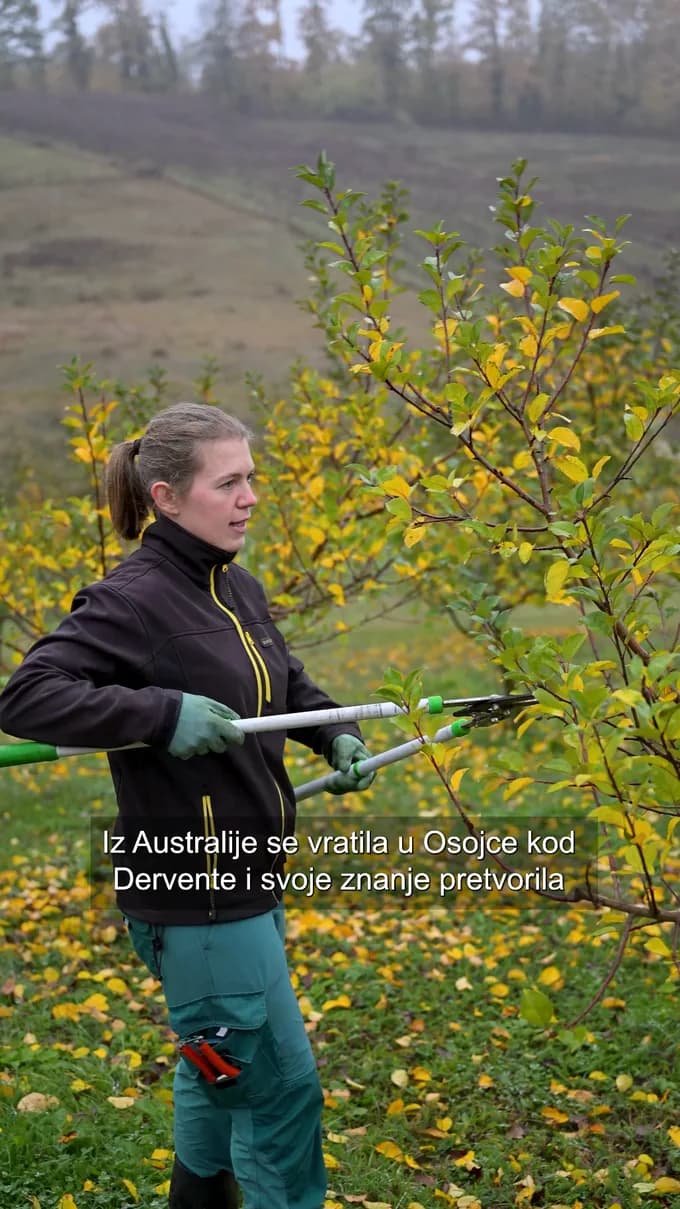
You probably know someone who spends their annual holiday like this. Maybe you've even experienced it yourself.
You come home for two weeks. The first few days disappear into paying taxes and bills, and the rest goes on mowing the lawn and maintaining a property that has been growing wild all year while you were away.
And then, as you leave, you say the same thing:
"I didn't get any rest at all."
Dragana Duvnjak Krndija had heard that sentence for years from relatives, neighbours and friends living abroad. The same story repeated itself year after year.
Until one day, an idea struck her:
"Why can't people enjoy their property when they come home for a holiday? Someone could take care of everything before they arrive."
That question eventually became a business. But it didn't happen overnight, and it certainly wasn't easy.
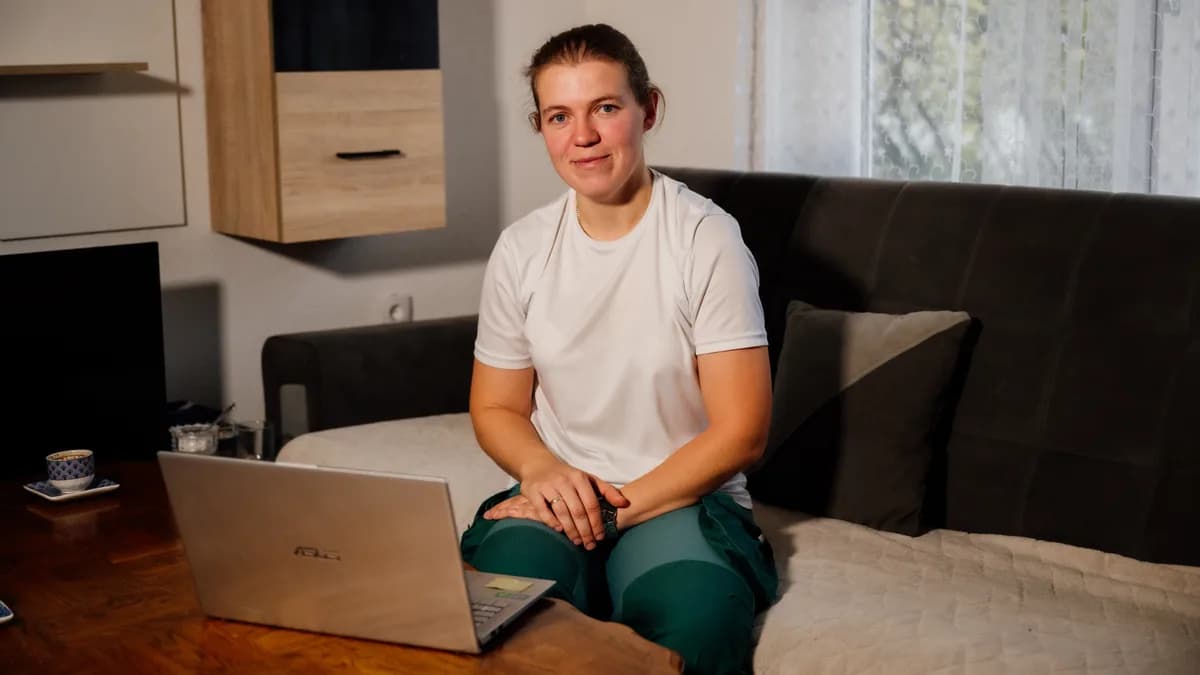
From Melbourne to a Village Near Derventa
Dragana is an agronomist and, as she puts it, agriculture has been part of her life since childhood.
Still, like many young people, she once believed that life must be better somewhere abroad. She moved to Australia, where she lived and worked in Melbourne.
"Pretty much everything was accessible to me there, but I didn't feel fulfilled on a deeper level," she recalls.
She first returned to Derventa and later settled in the village of Osojce.
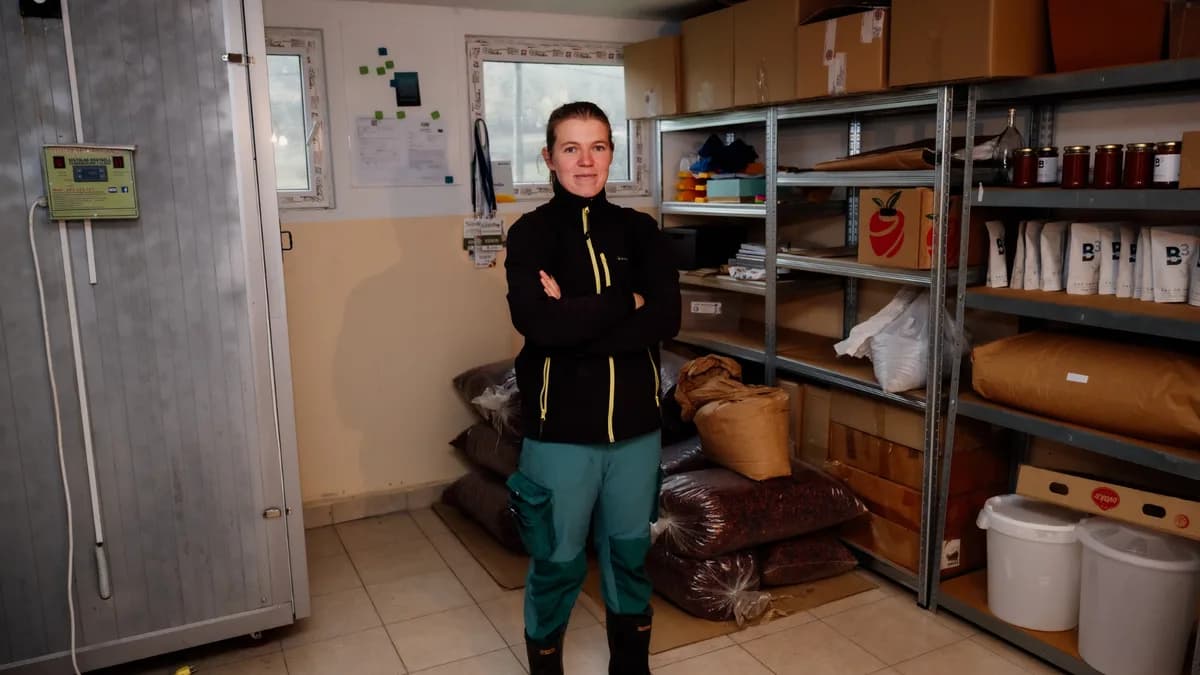
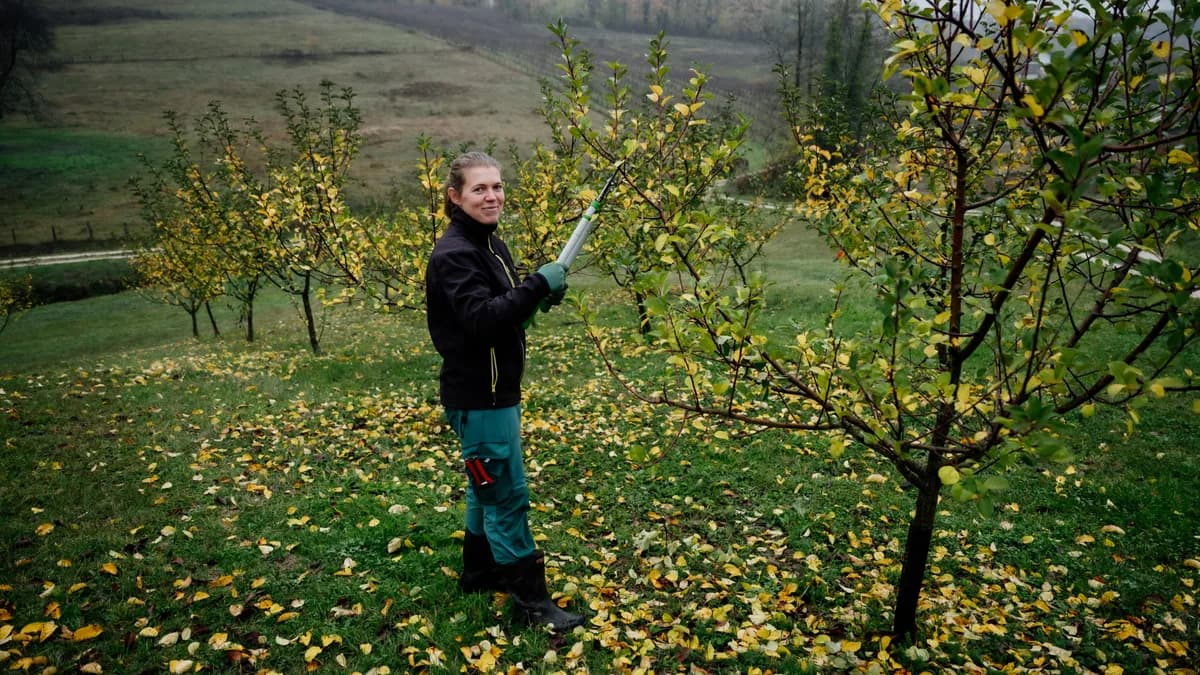
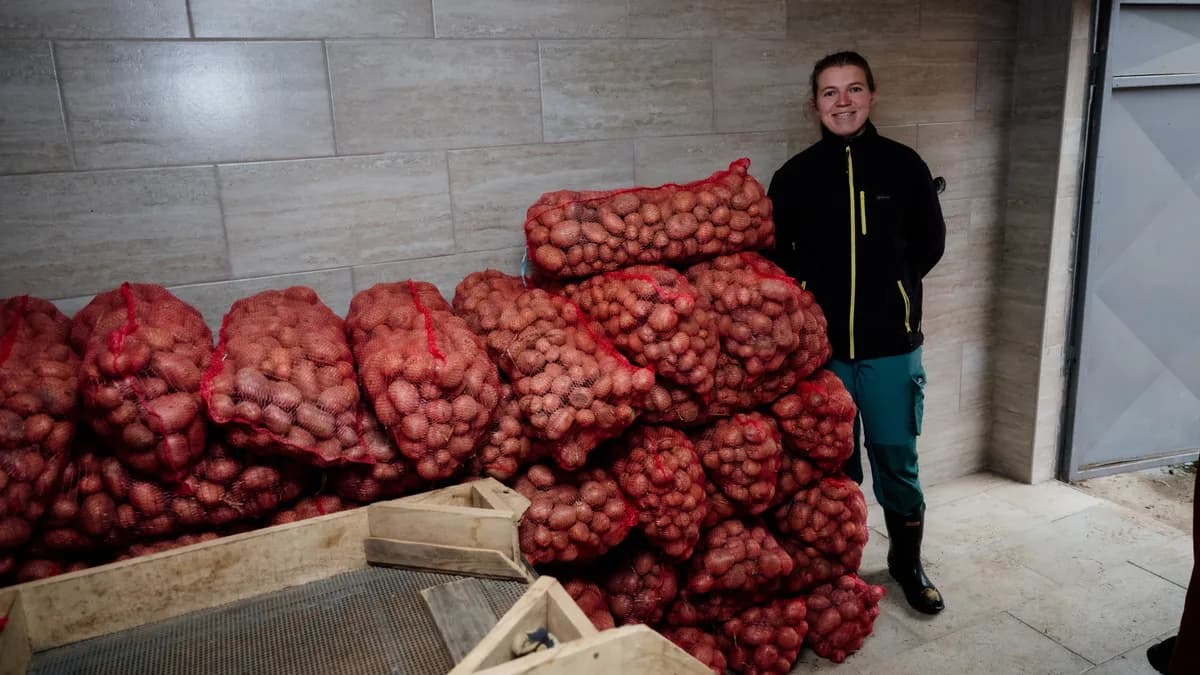
Today, she is raising her child there and running her own farm, producing organic herbal teas, rosehips and apples. She had previously received support from the Mozaik Foundation for this agricultural production.
"Who Would Even Use That?"
Her new idea was to expand her farm business by offering property maintenance services to people living far away.
But according to Dragana, the people around her were far from encouraging.
They didn't believe anyone would order such a service online or trust someone else to look after their property.
Some even called the idea crazy. After all, who could possibly take better care of a property than its owner or a neighbour?
Dragana admits that, for a while, she also began to doubt whether the idea would work.
That's why, when she talks about the support she received through a Mozaik Blue Grant, money isn't the first thing she mentions.
"We were just happy that someone was willing to listen to us," she says.
What mattered most was that someone — in this case, Mozaik — gave her the encouragement she needed at the very moment she was thinking about giving up.
The financial support came second.
"One thing always leads to another. All those little pieces need to come together to create a mosaic."
Zavičaj: Taking Care of Home, Even From Afar
With the grant funding, Dragana launched a website, zazavicaj.com, where people can describe what they need and submit an inquiry, no matter where in the world they live.
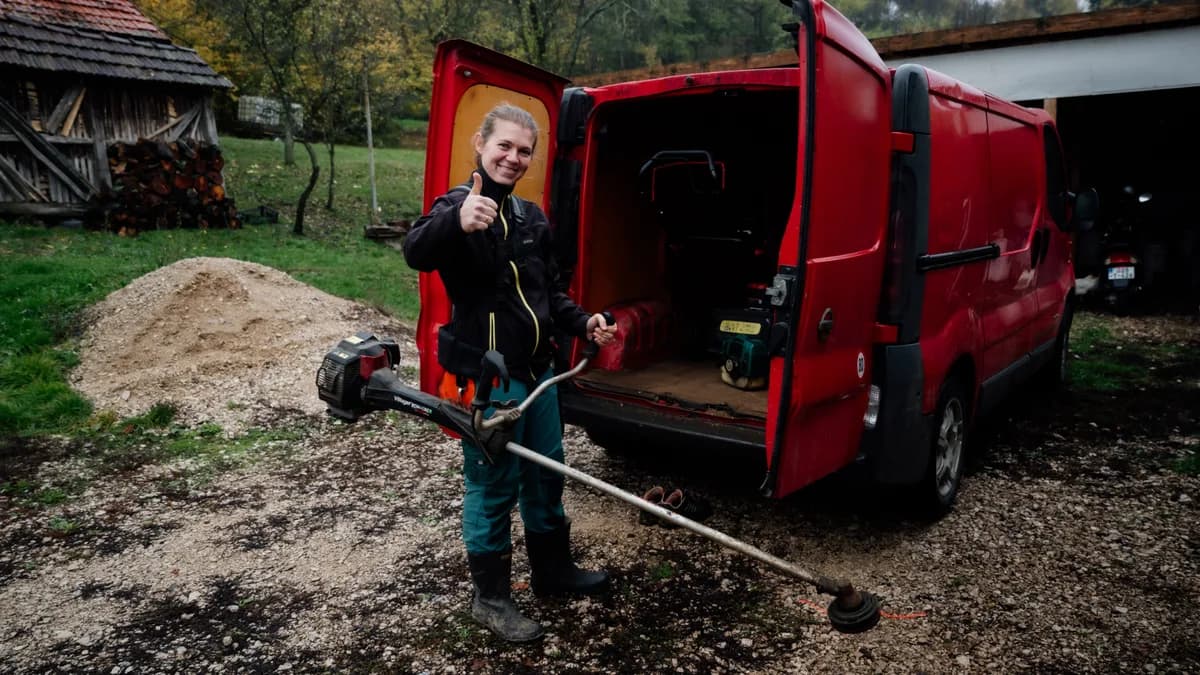
She purchased lawnmowers, brush cutters and other land maintenance equipment, as well as a drone.
The drone turned out to be a particularly valuable investment.
Previously, her team had to visit and inspect every property in person before deciding what needed to be done.
"Now, when we launch the drone, we can quickly see what work needs to be done," Dragana explains.
Property owners who wish to receive them can also get before-and-after videos of their land.
Alongside the grant, Dragana received training from experienced business mentors.
She learned how to communicate with clients when negotiating a job, but the most important lesson was about pricing.
At first, she believed her prices were too high for the local market. Her mentors helped her understand that higher prices can reflect higher quality and that every service has its customer.
"We learned that it's easy to lower your price, but much harder to raise it," she says.
That lesson gave her the confidence to stand behind the value of her work.
Only Satisfied Customers Pay
The first consultation with a client is free.
Once they agree on the work, Dragana's team visits the property, uses a drone to assess its condition and proposes exactly what needs to be done.
The invoice comes only after the work is completed.
"No one should have to pay if they're not satisfied," says Dragana.
So far, there hasn't been a single case of a customer refusing to pay.
Her philosophy is simple:
"Do the job as if you were doing it for yourself, and you won't have any problems."
She initially expected social media to bring in most of her customers. Instead, word of mouth turned out to be her most effective marketing tool.
When her team maintains someone's yard, a neighbour notices and asks:
"Oh, who did that for you?"
Among people from Bosnia and Herzegovina living abroad, recommendations spread through diaspora associations and community gatherings.
Today, the business has more work and generates better earnings. With the new equipment, Dragana and her team can also take on jobs that were previously beyond their capabilities.
In fact, demand has grown so much that they sometimes have to turn down requests.
Finding reliable people willing to do physical work has become their biggest challenge.
Since launching the project, they have provided property maintenance or consulting services to 31 clients. Of those, 19 are property owners living abroad, while 12 live in Bosnia and Herzegovina.
There are still people who think the idea is crazy, Dragana admits, but they are now in the minority.
More Than Just Mowing the Grass
Dragana's work goes far beyond cutting grass.
When she sees an abandoned or neglected field, her background as an agronomist allows her to suggest ways the land could be put to better use.
Perhaps it could become a small family orchard.
Several property owners have already followed her advice and decided to plant their own fruit trees.
"Even one more tree planted is a great success in my eyes," she says.
From the beginning, Dragana envisioned the business as a first step towards helping people reconnect with their homeland and, potentially, return.
When someone has something of their own on a property — an orchard, a meadow or a few animals — they have a reason to stay interested in what happens there and to visit more often.
According to Dragana, some property owners are already using this approach to prepare for their eventual return.
Her seasonal workers are most often high school and university students.
Dragana remembers how much she needed pocket money when she was in high school. Now, she wants young people to experience agriculture as something practical, not just something they study in textbooks.
What's Next?
Dragana has more ideas than time to implement them.
Next year, she hopes to organise an open day for students from a secondary agricultural school.
She is also considering introducing a fruit-tree pruning course, combining online learning with practical fieldwork.
For young people who cannot afford to pay, the course would be free.
Does she still need support?
Dragana admits that any assistance is welcome and that she has no intention of pretending otherwise.
But then she adds something you don't often hear:
"I know that everyone's resources are limited. For now, we don't need additional support. I'd rather see some of our fellow entrepreneurs get an opportunity too."
The Next "Crazy" Idea
Dragana has one piece of advice for anyone carrying an idea they haven't yet dared to pursue:
Don't wait for the perfect opportunity. If you keep waiting for it, it may never come.
"If you don't try, you'll never know what you could have achieved."
She also understands how little it sometimes takes to get started.
"It doesn't have to be thousands and thousands. Sometimes a small amount is enough to get the wheels turning."
Somewhere, right now, someone is sitting with an idea that everyone around them calls crazy.
Your donation to the Mozaik Foundation could be that small contribution that gets the wheels turning.
It could also provide the encouragement someone needs at the very moment they are thinking about giving up.
Support success stories that help build our homeland.